Autumn Grooming Tips for LIC Dogs and Cats

Autumn Grooming Tips for LIC Dogs and Cats
As the crisp autumn air settles into Long Island City, many pet owners begin to notice subtle changes in their dogs’ and cats’ coats and skin. The cool, damp October weather brings more than just sweater season for humans; it can also affect your pet’s comfort, hygiene, and health. At Crescent Street Veterinary Hospital, located right here at 41-17 Crescent Street, Long Island City, NY 11101, our veterinary team is passionate about helping pet owners keep their companions happy and healthy year-round. This guide will walk you through the essential grooming tips for dogs and cats, focusing on brushing, bathing, and skin care specific to the autumn season. Whether your pet enjoys romping through fallen leaves or prefers cozying up indoors, a thoughtful grooming routine can make a world of difference. We will also explain when it’s time to seek professional care and how our professional grooming care can help keep your pet comfortable as the seasons change.
Recognizing Autumn Grooming Challenges for Pets
Autumn in Long Island City often means fluctuating humidity, sudden rain showers, and a chill in the air. These environmental shifts can lead to several grooming-related issues for both dogs and cats. Many pet owners notice increased shedding as their pets’ coats adjust to the season. Some dogs and cats may develop dry, flaky skin, while others might experience matting or tangling, especially if they venture outside and pick up debris from damp leaves and soil. Common signs that your pet may need extra grooming attention include clumps of loose fur around your home, visible mats behind the ears or under the legs, a dull or dusty-looking coat, or increased scratching and licking. Cats may also leave more hairballs due to heightened grooming activity, and dogs with longer coats can develop a musty odor if their fur stays damp after outdoor walks. For urban pets in Long Island City and surrounding communities, these subtle changes can quickly escalate if not addressed with a seasonal grooming approach.
Why Do Dogs and Cats Need Special Grooming in Autumn?
Seasonal shifts bring changes in coat density, skin moisture, and environmental exposure. As days grow shorter and temperatures drop, many pets undergo a natural shedding process known as “coat blowing,” where summer fur is replaced by thicker winter layers. This can be particularly noticeable in breeds with double coats. The combination of cooler air and indoor heating often leads to drier skin for both dogs and cats, making them more prone to irritation, flaking, and itching. Additionally, damp fall weather can increase the risk of fungal or bacterial skin infections if moisture becomes trapped in the coat—especially in breeds with dense or curly fur. Outdoor pets may also pick up allergens, dirt, and parasites more readily, while indoor-only cats can develop static and tangles as dry air sets in. Understanding these seasonal factors helps pet owners stay a step ahead, ensuring their companions remain comfortable and healthy as autumn progresses.
How Crescent Street Veterinary Hospital Approaches Autumn Grooming
At Crescent Street Veterinary Hospital, our veterinary professionals offer a comprehensive range of grooming and wellness services designed to address seasonal challenges. When it comes to autumn grooming, our approach involves more than a simple bath and brush out. We assess your pet’s skin and coat condition during every grooming session, looking for signs of dryness, hot spots, mats, or other concerns that might require medical attention. For pets with sensitive skin, we use gentle, moisturizing shampoos and conditioners selected specifically for the season. Our team can trim long hair around the paws and belly to prevent dirt and moisture from accumulating, and we’re experienced in safely addressing stubborn mats and tangles that often appear in the fall. If you notice your pet is shedding excessively, developing dandruff, or seems uncomfortable, scheduling a professional grooming care appointment with our team can make a significant difference.
In addition to grooming, our veterinary team provides comprehensive physical examinations to check for underlying health issues that may present as skin or coat problems. Sometimes, what appears to be a grooming issue may have a medical cause, such as allergies, thyroid imbalances, or parasites. By combining grooming with veterinary expertise, we ensure your pet receives holistic care tailored to their individual needs.
Home Grooming Tips for Autumn Comfort
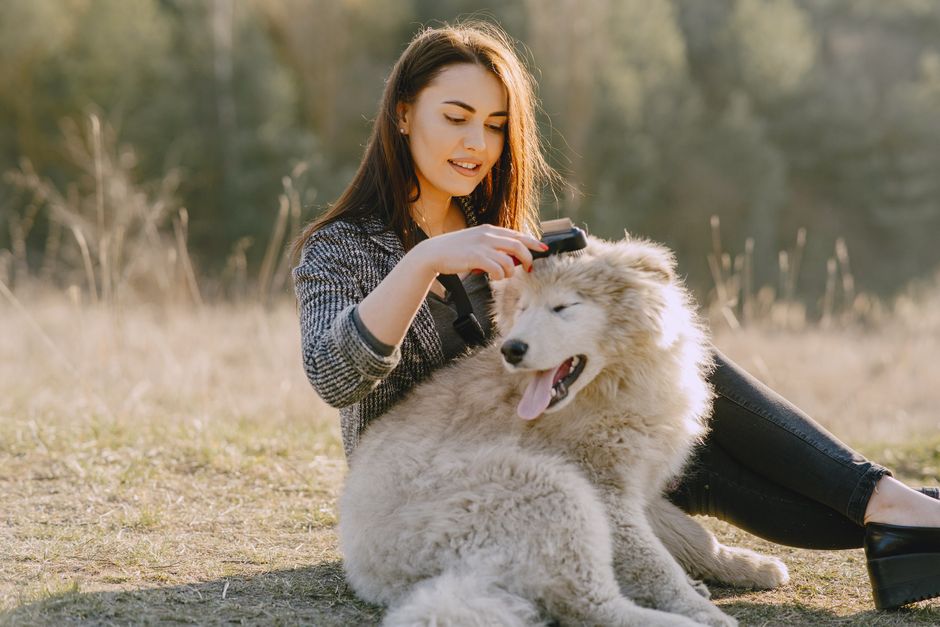
While professional grooming is invaluable, there are many steps pet owners can take at home to support their dog’s or cat’s health through the autumn months. Brushing your pet regularly is one of the simplest ways to manage shedding and prevent mats from forming. For dogs, brushing two to three times a week helps remove loose fur and distributes natural oils, keeping the coat shiny and the skin moisturized. Cats benefit from frequent brushing as well, particularly long-haired breeds that are prone to tangles and hairballs. Choosing the right brush—such as a slicker brush for dogs with dense coats or a fine-toothed comb for cats—can make the process more effective and comfortable for your pet.
Bathing should be adjusted based on your pet’s activity level and skin condition. Overbathing can strip away natural oils, so most pets do well with a bath every four to six weeks in the fall, unless they get especially dirty. Always use pet-specific, moisturizing shampoos and avoid human products, which can be too harsh for animal skin. After outdoor walks, especially on rainy days, take a few moments to towel-dry your dog’s coat and check between the toes for mud or debris. For cats, pay attention to areas that may collect dust or dander and gently wipe with a damp cloth if needed.
Paying close attention to the skin is just as important as caring for the coat. If you notice flaking, redness, or excessive scratching, consider using a humidifier in your home to combat dry air or ask your veterinarian about safe, pet-friendly skin conditioners. Regularly check your pet’s ears, as moisture and debris can lead to infections, particularly in floppy-eared dogs. Trimming nails is essential during autumn, since pets may spend less time on abrasive outdoor surfaces that naturally wear down claws.
When to Seek Professional Grooming and Veterinary Care
Some grooming challenges go beyond what can be managed at home. You should schedule a professional grooming appointment if you notice persistent mats, skin irritation that does not resolve with regular brushing, a persistent odor, or signs of discomfort during grooming sessions. Pets with chronic health conditions, senior dogs and cats, or those with anxiety around grooming often benefit from the gentle, experienced care provided by our veterinary team. If you observe symptoms such as open sores, oozing, sudden hair loss, or behavioral changes like increased hiding or aggression during grooming, these can be signs of underlying medical concerns that require prompt evaluation.
Additionally, if your pet’s coat or skin changes rapidly or is accompanied by other symptoms such as lethargy, weight loss, or loss of appetite, it is important to schedule a comprehensive physical examination. Our veterinarians are skilled in identifying systemic issues that may manifest as grooming problems, ensuring your pet receives the appropriate treatment and support.
Preventing Common Autumn Grooming Problems
Preventing grooming problems in autumn starts with consistency and attention to detail. Establishing a regular brushing routine not only keeps your pet’s coat clean but also strengthens the bond between you and your companion. Keeping your home environment comfortable with moderate humidity levels can help prevent dry skin, while washing your pet’s bedding and cleaning grooming tools regularly reduces the risk of skin infections. For dogs that spend time in parks or on city sidewalks, rinsing or wiping their paws after walks helps minimize exposure to irritants and allergens. For cats, providing a scratching post and interactive toys encourages self-grooming and keeps their nails healthy.
Diet also plays a crucial role in skin and coat health. Ensure your pet is eating a balanced, high-quality diet rich in essential fatty acids, which support skin hydration and fur strength. Speak with your veterinarian about supplements if your pet is prone to dry skin or excessive shedding. Remember, every pet is unique; what works for one dog or cat may not be ideal for another, so individualized guidance from your veterinary team is invaluable.
Partnering with Crescent Street Veterinary Hospital for Year-Round Pet Wellness
At Crescent Street Veterinary Hospital, we understand that grooming is more than just keeping your dog or cat looking their best; it is a cornerstone of preventive health care. Our veterinary professionals are dedicated to helping pet owners in Long Island City and surrounding communities maintain seasonal routines that support both comfort and wellbeing. When you search for a veterinarian near me, know that our team offers supportive advice, professional grooming services, and thorough medical evaluations all under one roof. If you have questions about autumn grooming, need tips for home care, or wish to schedule a grooming or wellness appointment, we are here to help.
To book a grooming session or learn more about our services, call us at (000) 000-0000 or visit us at 41-17 Crescent Street, Long Island City, NY 11101. You can also explore our professional grooming care and comprehensive physical examinations for more information. Our veterinary team looks forward to supporting you and your pet through every season, ensuring they stay comfortable, clean, and healthy no matter what autumn brings.
This article is intended for informational purposes only and does not replace professional veterinary advice. Please consult with our veterinarians for specific questions or concerns regarding your pet’s health or grooming needs.