

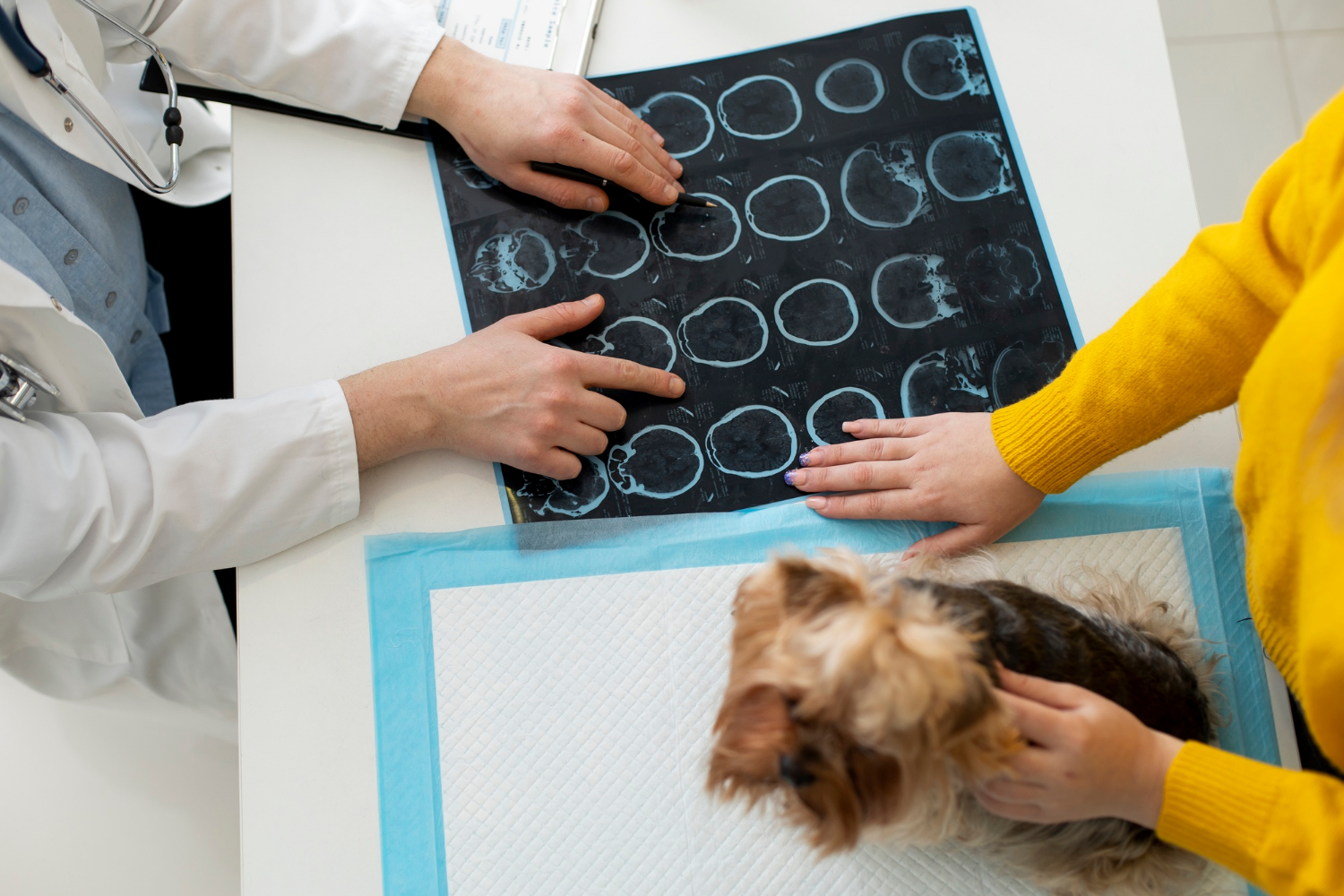


Veterinary Ultrasound in Long Island City, NY

Crescent Street Veterinary Hospital is proud to offer comprehensive ultrasound services in Long Island City, combining advanced imaging with a compassionate approach to ensure your pet receives the highest quality of care.
Understanding Ultrasound

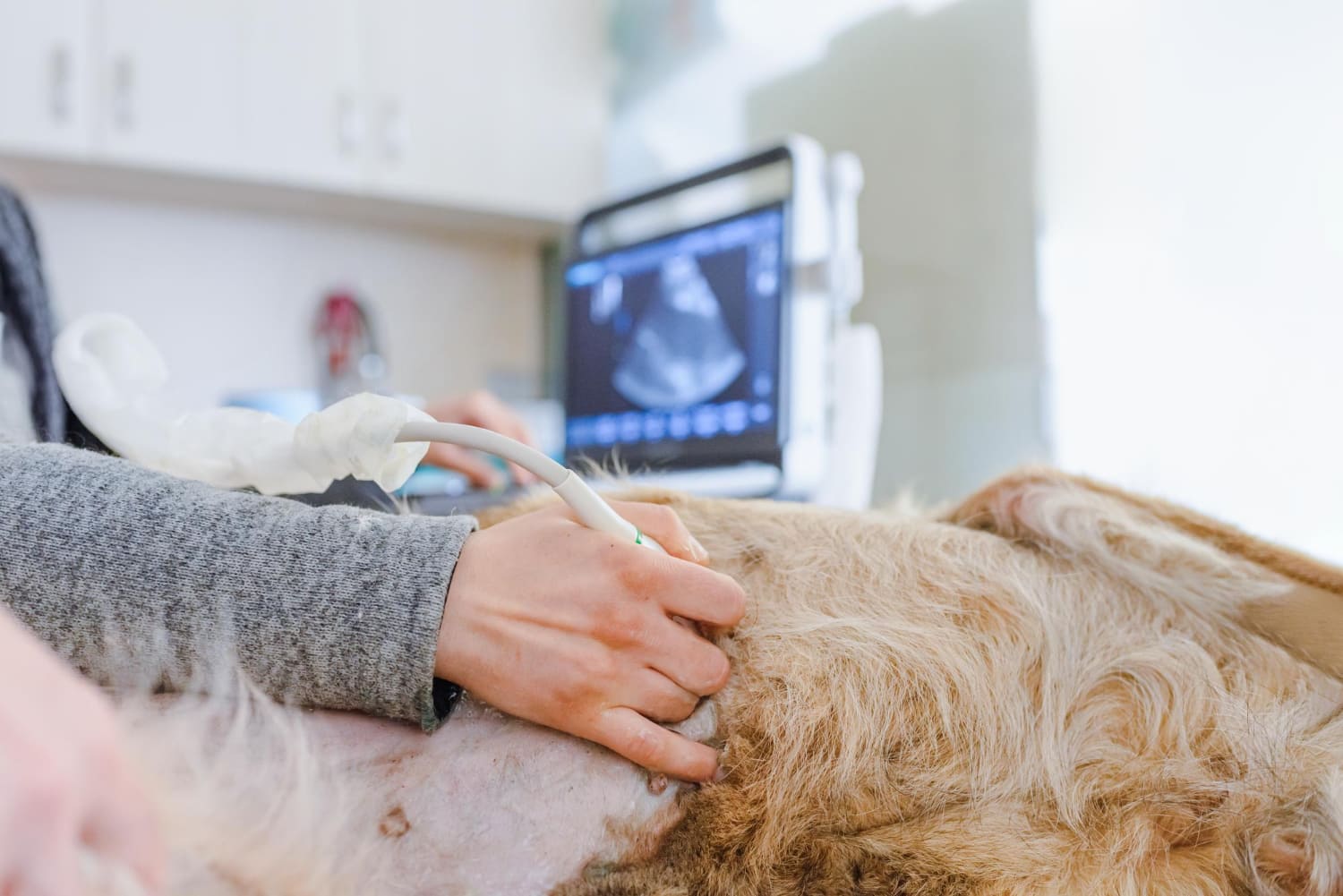
Ultrasound is a non-invasive diagnostic imaging tool that uses sound waves to create real-time images of your pet’s internal organs. This technology allows our veterinarians to observe tissues, organs, and blood flow without the need for surgery or discomfort.

Ultrasound is used to investigate symptoms such as vomiting, changes in urination, unexplained weight loss, or abdominal pain. It can help diagnose conditions affecting the liver, kidneys, bladder, heart, and more.

The benefits for pets are significant; ultrasound helps us catch problems early, create accurate treatment plans, and minimize stress on your pet. At Crescent Street Veterinary Hospital, our veterinary team uses ultrasound as part of our commitment to providing high-quality, compassionate veterinary care in Long Island City and surrounding communities.

What to Expect During Your Pet’s Ultrasound in Long Island City

Your pet’s well-being is always our top priority. When you bring your pet in for veterinary ultrasound in Long Island City, our veterinary professionals explain each step and answer any questions you may have.

Initial Consultation and Assessment

Our veterinarians begin with a thorough physical exam and a complete review of your pet’s history and current symptoms. Dr. Alida Sanabria leads the initial evaluation, ensuring we understand your concerns and your pet’s health status.

Preparation and Comfort Measures

We gently clip a small area of fur to allow the ultrasound probe to contact the skin directly. Most pets require no sedation; however, if your pet is anxious, we use fear-free techniques and may administer light sedation for maximum comfort.

The Ultrasound Examination

A trained member of our veterinary team, often Dr. Camille Barnes, applies safe, pet-friendly gel and moves the probe across the targeted area. This step produces detailed images in real time, allowing us to observe organs, tumors, or fluid accumulations.

Real-Time Results and Next Steps

Once the exam is complete, our veterinarians explain the findings and discuss any recommended follow-up tests or treatments. We prioritize clear communication and transparency so you leave with a solid understanding and a clear plan for your pet’s health.

Why Ultrasound is Important for Your Pet

Ultrasound plays a critical role in the early detection and management of internal medical conditions. It is invaluable for diagnosing issues that standard x-rays or physical exams might miss.

Many illnesses, such as urinary blockages, tumors, heart disease, or liver problems, benefit from early diagnosis with ultrasound. This service helps us recommend timely, effective treatments that can significantly improve your pet’s prognosis. Regular access to ultrasound ensures your pet receives proactive healthcare rather than simply reacting to symptoms.

Early Detection of Disease

Ultrasound can detect subtle changes in organs or tissues, leading to faster identification of health issues. Early treatment often leads to better outcomes and less invasive care.

Non-Invasive and Stress-Free

Unlike some diagnostic procedures, ultrasound does not involve surgery or radiation. It is safe, quick, and usually requires no sedation, reducing anxiety for both pets and owners.

Personalized Treatment Planning

With clear, accurate images, our team can tailor treatment plans specifically to your pet’s needs. This leads to more successful management of acute and chronic conditions.

Signs Your Pet May Need an Ultrasound

Certain symptoms may suggest your pet would benefit from an ultrasound examination. Some signs to watch for include:

  • Unexplained weight loss
  • Vomiting or diarrhea that persists
  • Changes in urination or drinking habits
  • Abdominal pain or swelling
  • Sudden collapse or weakness

If you notice any of these signs or other concerning changes in your pet’s behavior, please contact Crescent Street Veterinary Hospital right away. Fast, accurate diagnosis is crucial for your pet’s long-term health and comfort.

How Often Should Your Pet Receive an Ultrasound?

Most pets only need ultrasound when symptoms indicate a potential health issue or as part of monitoring a known condition. In some cases, older pets or those with chronic illnesses may require more frequent imaging.

The recommended frequency depends on factors such as your pet’s age, breed, and specific medical concerns. Our veterinary team at Crescent Street Veterinary Hospital provides individualized guidance based on your pet’s health and lifestyle. We encourage regular wellness checks so we can spot changes early and advise when a Long Island City pet ultrasound is needed.

Practice Highlights

Crescent Street Veterinary Hospital stands out for delivering advanced diagnostic care with a focus on comfort and transparency for every patient in Long Island City, NY.

  • Fear Free Certified: Our veterinary team uses proven fear-free techniques to keep pets relaxed and comfortable during all procedures.
  • USDA Accredited: We meet rigorous standards of care and are able to support international pet travel needs.
  • Weekend Appointments: We offer convenient Saturday hours to accommodate busy pet owners’ schedules.
  • Transparent, Collaborative Care: Every client receives clear explanations and a customized care plan, so you always know what’s next.
  • Commitment to Community: As a minority women-owned clinic, we pride ourselves on being community-oriented and welcoming.

Is It Necessary to Shave My Pet’s Fur?

In most cases, the fur must be shaved to perform an ultrasound examination. Since ultrasound waves are not transmitted through air, it is imperative that the hand-held probe makes complete contact with the skin. In some cases, such as pregnancy diagnosis, it may be possible to get adequate images by moistening the hair with rubbing alcohol and applying a copious amount of water-soluble ultrasound gel. But don’t worry, this is something we will take care of for you.

When Will I Know the Results of the Examination?

Since an ultrasound study is performed in real-time, the results of what is seen are known immediately. In some cases, the ultrasound images may be sent to a veterinary radiologist for further consultation. When this occurs, the final report may not be available for a few days.

Frequently Asked Questions

Will my pet need to be sedated for an ultrasound?

In most cases, sedation is not required. Crescent Street Veterinary Hospital uses gentle handling and calming techniques, so even anxious pets can usually remain awake and comfortable throughout the procedure.

How long does an ultrasound appointment take, and what does it cost?

A typical exam takes between 30 and 60 minutes, including time for review and discussion. Because costs can vary depending on the complexity and area examined, we encourage you to visit us for a transparent estimate and to discuss your pet’s needs.

Should I prepare my pet in any special way before their ultrasound?

Our veterinarians will provide specific instructions tailored to your pet, but generally, fasting your pet for a few hours before the appointment can improve imaging of the abdomen. We are always here to answer concerns and help you and your pet feel prepared.

What problems can ultrasound detect in pets?

Veterinary ultrasound in Long Island City helps diagnose a wide variety of conditions, including organ disease, tumors, urinary stones, and heart abnormalities. It is also used to monitor chronic illnesses and guide treatment planning.

How do I schedule an ultrasound or get urgent care?

To schedule a pet ultrasound in Long Island City, visit our team during business hours or use our online appointment portal. Our clinic is located at 41-17 Crescent Street, Long Island City, NY 11101, right near the Ed Koch Queensboro Bridge. We are open Monday, Tuesday, Thursday, and Friday from 9:30am to 6:30pm, and Saturdays from 9am to 3pm.

Call Or Visit Us Today!

Hours

Monday, Wednesday, Sunday – Closed
Tuesday, Thursday, Friday – 9:30 AM – 6:30 PM
Saturday – 9:00 AM – 3:00 PM

After Hours

Follow Us

Secure Your Spot for Outstanding Care!

Schedule Online