
Fall Pet Allergies: Signs and Relief for Cats and Dogs

Fall Pet Allergies: Signs and Relief for Cats and Dogs
As the leaves start to turn and the crisp autumn air returns to Long Island City, many pet owners find themselves facing a familiar question: why is my dog or cat suddenly itching, sneezing, or licking their paws more than usual? Fall is a beautiful time of year in New York, but for many pets, it can also signal the onset of seasonal allergies. At Crescent Street Veterinary Hospital, located at 41-17 Crescent Street, Long Island City, NY 11101, we understand how frustrating it can be to watch your beloved cat or dog struggle with allergy symptoms. In this post, we’ll help you recognize the most common signs of fall allergies in pets, explore what causes these reactions, discuss effective treatments and home care strategies, and explain when it’s time to schedule an appointment with our veterinary team. Our goal is to keep your pets comfortable and thriving all season long, so you both can enjoy autumn together.
Recognizing Fall Allergy Symptoms in Cats and Dogs
Allergies can affect both cats and dogs, and the signs can range from subtle to severe. Many pet owners first notice increased scratching or licking, but fall allergies often present with a combination of skin and respiratory symptoms. Key signs to watch for include persistent scratching, licking at the paws or belly, red or inflamed skin, frequent head shaking, and recurrent ear infections. In dogs especially, you might see hair loss in areas where they’ve been chewing. Cats may develop tiny scabs around the neck or head, sometimes referred to as “miliary dermatitis.” Sneezing, watery eyes, and nasal discharge can also occur, particularly when pollen counts are high. If your pet’s usual grooming habits have increased or you’ve noticed a musty odor from their skin or ears, allergies could be playing a role.
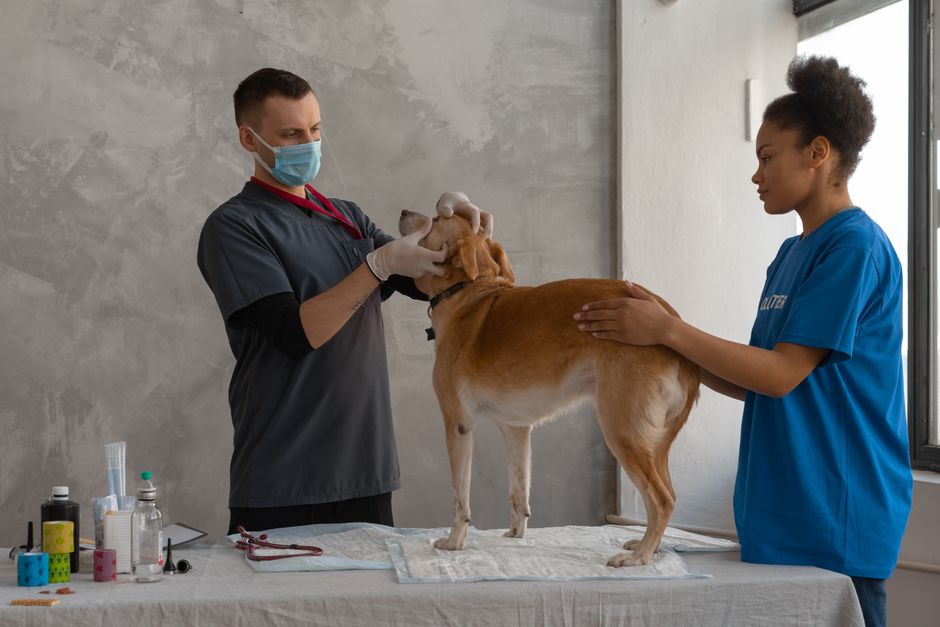
Sometimes, these symptoms can be mistaken for fleas, dry skin, or even behavioral issues. That’s why a thorough evaluation is so important. At Crescent Street Veterinary Hospital, we offer comprehensive physical examinations that help us pinpoint the exact cause of your pet’s discomfort and rule out other potential problems. Early recognition and intervention can make a significant difference in your pet’s quality of life.
Why Do Pets Get Fall Allergies? Understanding the Triggers
Fall in Long Island City brings a unique set of environmental allergens that can affect sensitive pets. Ragweed pollen is a major culprit during autumn, with counts often peaking in September and October. As outdoor plants die back, mold spores from decaying leaves and damp soil can also become airborne, leading to increased exposure for pets who spend time in the yard or on walks. Even indoor pets aren’t fully protected, as airborne allergens can drift inside through open windows or attach to your clothing.
Another common trigger is dust mites, which thrive when homes are closed up for the cooler months. Additionally, as we begin to use heating systems, dust and other particles can circulate more freely throughout your home, aggravating allergy-prone pets. Dogs and cats with a genetic predisposition to allergies—such as retrievers, terriers, or certain purebred cats—may be particularly vulnerable.
It’s important to remember that allergies are not always caused by what your pet eats. While food allergies do exist, seasonal or environmental allergies, known as “atopy,” are more likely to cause sudden flares in the fall. The combination of environmental changes, increased indoor time, and heightened exposure to outdoor allergens can all contribute to your pet’s symptoms during this season.
Treatment and Relief: How Crescent Street Veterinary Hospital Can Help
Once allergies are identified as the culprit, your next question is likely, “How do I help my pet feel better?” Our veterinary professionals at Crescent Street Veterinary Hospital take a multi-faceted approach to allergy management, always tailoring recommendations to your pet’s specific needs and your family’s lifestyle.
Treatment options often begin with addressing the symptoms. Medicated shampoos can soothe inflamed skin and help remove allergens from your pet’s coat. Prescription-strength topical sprays or ointments may be used to reduce localized itching. In some cases, oral antihistamines or newer medications such as oclacitinib (Apoquel) or cytopoint injections can provide significant itch relief, especially for dogs. For pets with frequent ear infections, we may recommend ear cleansers or targeted medications based on diagnostic tests.
For cats, allergy management can be more challenging, as they are often more sensitive to certain medications. However, options such as hypoallergenic diets, environmental modifications, and carefully selected medications allow us to provide relief while minimizing side effects. Our veterinary team also offers acupuncture as a complementary therapy for some allergy-related issues, especially when pets cannot tolerate traditional medications.
Every allergy case is unique, and finding the right treatment plan may require some trial and error. That’s why ongoing communication with your veterinarian is essential. If your pet is struggling with persistent symptoms, we encourage you to schedule a comprehensive physical exam so we can develop a customized care plan. In addition, our team can discuss options for allergy testing if your pet’s symptoms are not responding as expected.
Preventing and Managing Pet Allergies at Home
While medical treatment is often needed for moderate to severe allergies, there are several steps you can take at home to minimize your pet’s exposure to fall allergens and keep them comfortable. Frequent bathing with a pet-safe, hypoallergenic shampoo can remove pollen and mold spores from your pet’s fur. Wiping your dog’s paws after walks, and gently brushing your cat’s coat, can further reduce allergen load. Keeping windows closed during peak pollen times and using air purifiers with HEPA filters can help improve indoor air quality.
Regular cleaning of your pet’s bedding, toys, and favorite resting spots is also important. Vacuuming carpets and upholstery frequently will help control dust mites and other airborne particles. For pets prone to matting or skin irritation, professional grooming care can help maintain a healthy coat and reduce the risk of secondary infections. Our veterinary team can recommend specific grooming schedules and products based on your pet’s needs.
Diet plays a supportive role as well, since a balanced, high-quality diet helps maintain healthy skin and a strong immune system. If your veterinarian suspects a food allergy component, we may suggest a hypoallergenic food trial to rule out additional triggers.
When to Schedule a Veterinary Visit for Allergies
It’s normal for pets to scratch occasionally, but persistent or severe symptoms warrant professional attention. If you notice that your cat or dog is constantly licking, scratching, or biting at their skin, or if you see signs of hair loss, open sores, or chronic ear infections, it’s time to contact your veterinarian. Other warning signs include changes in appetite or energy, difficulty breathing, or any sudden swelling of the face or paws. These symptoms may indicate a more serious allergic reaction or an underlying infection that requires prompt treatment.
Chronic allergies can lead to secondary problems such as skin infections, hot spots, or ear disease if not addressed early. The team at Crescent Street Veterinary Hospital is committed to helping your pet find relief and prevent complications. We encourage you to reach out promptly if your pet’s symptoms are interfering with their quality of life or if home care steps are not providing enough improvement.
Your Partners in Fall Allergy Relief in Long Island City
Seasonal allergies can put a damper on autumn fun, but with the right support and care, your pet can enjoy the beauty of fall without the discomfort. At Crescent Street Veterinary Hospital, we’re here to guide you every step of the way. Our veterinarians provide compassionate, comprehensive care for cats and dogs in Long Island City and surrounding communities, offering everything from comprehensive physical exams to ongoing allergy management and grooming care to help keep your pet comfortable.
If you’re searching for a vet near me who understands how local climate and seasonal changes affect your pet’s health, look no further. Schedule an appointment with our team by calling (000) 000-0000 or visiting us at 41-17 Crescent Street, Long Island City, NY 11101. Together, we’ll help your pet enjoy a happier, healthier fall season—so you can both make the most of every crisp, golden day.
This blog post is intended for informational purposes only and should not replace professional veterinary advice. If your pet is experiencing severe symptoms or you have concerns about their health, please contact our veterinary team for guidance.