
Summer Pet Safety Tips for Dogs and Cats in Long Island City


Summer Pet Safety Tips for Dogs and Cats in Long Island City
Summer in Long Island City brings vibrant days, bustling parks, and plenty of sunshine—ideal conditions for enjoying time with your dog or cat. However, the heat and humidity of New York summers can pose real risks for pets, from overheating to insect bites and sunburn. At Crescent Street Veterinary Hospital, our team of veterinarians understands how important it is to keep your pets safe and comfortable during the warmest months. This blog will guide you through the most common summer hazards, how to recognize the warning signs of heat stress or other seasonal issues, and practical steps you can take to protect your dog or cat. Whether you are planning weekend adventures or relaxing at home, these tips from our Long Island City veterinary professionals will help you and your pet make the most of summer.
Recognizing Summer Hazards: Signs Your Pet May Be at Risk
Summer can be enjoyable for pets, but it is also the season when they are most vulnerable to heat-related illnesses and outdoor hazards. Dogs and cats cannot cool off as efficiently as people, so they can quickly become overheated in hot or humid weather. Symptoms of heat stress in pets include excessive panting, drooling, difficulty breathing, weakness, vomiting, or collapse. Cats may hide more than usual or breathe with an open mouth, while dogs might seek out cool surfaces to lie on or appear restless. If your pet seems lethargic after time outdoors, is uninterested in food or water, or shows any unusual behavior, these can be early warning signs of trouble.
Along with heat, summer brings increased exposure to fleas, ticks, mosquitoes, and other pests. Itching, scratching, red skin, or visible parasites are all signs that your pet may need protection. If you notice limping, sore paws, or blisters, your dog or cat may have burned their paw pads on hot pavement or sand. Finally, gastrointestinal upset can occur if pets ingest spoiled food, plants, or chemicals during outdoor activities. Being alert to these changes helps you act quickly to keep your pet comfortable and safe.
Why Do Heat and Summer Hazards Affect Pets So Much?
Understanding why summer can be dangerous for pets helps you anticipate potential issues. Dogs and cats are more susceptible to heatstroke because they cool themselves by panting and, in the case of dogs, sweating only through their paw pads. This cooling system is not as efficient as sweating in people. Brachycephalic breeds like Bulldogs, Pugs, and Persians are especially prone to overheating due to their shorter airways. Overweight pets, seniors, and those with existing health conditions are also at increased risk.
Urban environments like Long Island City can intensify these problems. Heat radiates from sidewalks, streets, and buildings, making outdoor surfaces much hotter than the air temperature. Even brief periods outside during peak heat can quickly lead to burned paw pads or overheating. Additionally, increased time outdoors brings your pets into closer contact with fleas, ticks, and mosquitoes, which are more active in summer and can transmit diseases such as Lyme, ehrlichiosis, or heartworm. Understanding these factors is the first step in preventing summer mishaps.
Professional Treatment and What to Expect from Your Veterinary Team
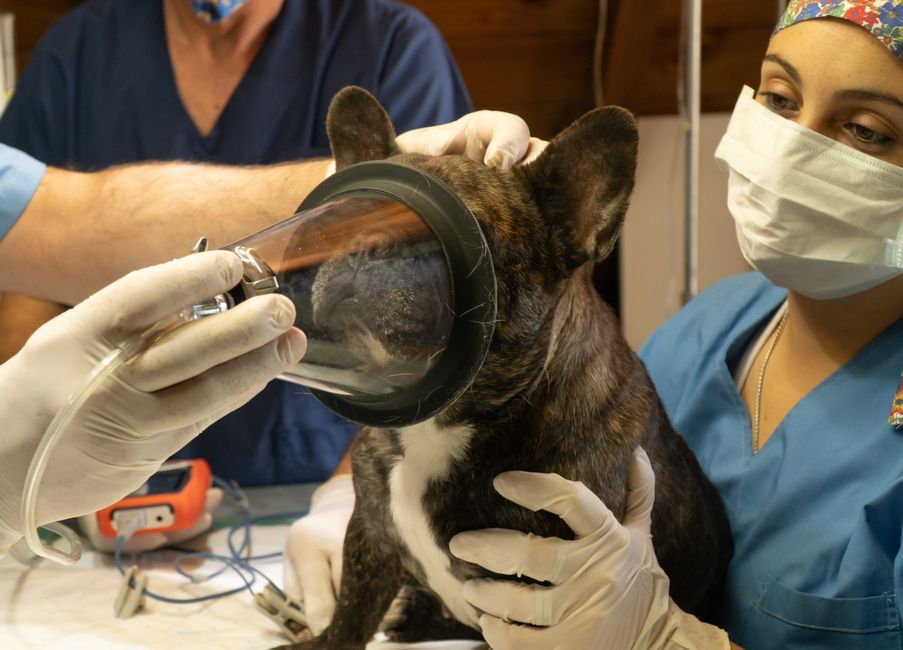
If your dog or cat suffers from heatstroke, insect bites, sunburn, or any summer-related emergency, prompt veterinary attention is crucial. The Crescent Street Veterinary Hospital team is well-equipped to diagnose and treat these conditions, offering services such as comprehensive physical examinations, diagnostic imaging to assess internal health, and urgent care for heat-related emergencies. For animals experiencing severe heatstroke, treatment may involve intravenous fluids, oxygen therapy, and careful monitoring of organ function. Our veterinarians also provide care for paw pad injuries, allergic reactions to insect bites, and skin infections caused by excessive licking or scratching.
In cases of flea, tick, or mosquito-borne illnesses, our veterinary professionals can recommend and administer appropriate preventive medications, test for vector-borne diseases, and manage symptoms with targeted therapies. For pets with sunburn or minor skin irritations, treatment may involve topical ointments, prescription medications, and advice on safe sun exposure. If your pet has oral injuries from chewing on summer plants or objects, our oral care and dental services are available to ensure their mouth stays healthy. We always work with you to create a personalized treatment plan that supports your pet’s unique needs.
Preventing Summer Problems: How to Keep Your Dog or Cat Safe at Home
Most summer emergencies can be avoided with a few proactive steps. Always provide plenty of fresh, cool water for your pet, both indoors and outside. Make sure your dog or cat has access to shade or air-conditioned spaces during the hottest times of day, usually between 10 a.m. and 4 p.m. For walks or outdoor play, choose early morning or evening hours when the temperature is lower. Test pavement and sidewalks by placing the back of your hand on the surface for several seconds; if it is too hot for you, it is too hot for your pet’s paws.
Never leave your pet in a parked car, even for a short time, as temperatures inside can become life-threatening within minutes. Protect your pet from fleas, ticks, and mosquitoes by keeping up with veterinarian-recommended parasite prevention. Our team can help you choose the safest and most effective products for your dog or cat. Sunscreen designed for pets can be used on sensitive areas such as the nose and ears, especially for light-colored or thin-coated animals. When planning trips or outings, avoid letting your dog or cat eat unfamiliar plants, food, or anything found on the ground. Supervise children and visitors to ensure your pet is not accidentally exposed to harmful substances.
If your pet spends time on balconies, in backyards, or around pools, secure all areas to prevent falls or accidental escapes. Watch for signs of heat stress or discomfort, and take breaks as needed. For ongoing prevention, consider scheduling a routine comprehensive physical examination before summer begins to catch any underlying conditions that may increase your pet’s risk in the heat.
When to Seek Veterinary Care: Knowing When It’s Time to Call
Some summer problems can be managed at home, but others require immediate veterinary attention. If your dog or cat is panting heavily, drooling excessively, vomiting, experiencing diarrhea, collapsing, or having seizures, seek prompt care. Rapid breathing, glazed eyes, unresponsiveness, or gums that appear pale or blue are all urgent signs that your pet may be suffering from heatstroke or another serious condition. If your pet is bitten by a tick and develops sudden lameness, fever, or swelling, contact your veterinarian as soon as possible.
Skin wounds, persistent itching, swelling, or any allergic reactions after insect bites should be evaluated by our veterinary team. Burns to the paw pads, refusal to walk, or signs of pain after being outdoors also warrant an examination. When in doubt, err on the side of caution and reach out to Crescent Street Veterinary Hospital for guidance. Our team of veterinarians is committed to providing comprehensive care and can help determine whether your pet needs to come in for an exam, additional testing, or urgent treatment.
Summer Wellness: Supporting Your Pet’s Health All Season Long
Your commitment to your pet’s wellbeing makes a world of difference, especially during the challenges of summer. Regular checkups, up-to-date vaccinations, and preventive care create a strong foundation for health. If you have not already scheduled your pet’s annual visit, now is an excellent time to book a comprehensive physical examination. Our veterinary professionals can discuss your pet’s unique summer risks and recommend personalized strategies for staying safe and comfortable.
Additionally, maintaining good oral health is vital year-round. Summer treats, outdoor play, and increased activity can sometimes lead to broken teeth or oral injuries, so consider a professional dental cleaning to support your pet’s overall wellbeing. We are always here to answer your questions about summer safety, parasite prevention, nutrition, and healthy routines.
Your Local Partner for Summer Pet Safety in Long Island City
At Crescent Street Veterinary Hospital, we are more than just your neighborhood clinic—we are your partners in keeping your dog or cat happy, healthy, and safe throughout the summer and beyond. Whether you live in Long Island City or nearby communities, our veterinary professionals are here to offer expert advice, thorough examinations, and compassionate care for every stage of your pet’s life.
If you are searching for a veterinarian near me who understands the unique needs of pets in our city, look no further. Schedule your pet’s summer checkup, ask about our preventive care programs, or get help with any seasonal concern by calling (000) 000-0000 or visiting us at 41-17 Crescent Street, Long Island City, NY 11101. You can also find more information about our services on our website.
Summer should be a time of joy and adventure for your pet. With thoughtful preparation and the support of our dedicated veterinary team, you can help your dog or cat stay cool, comfortable, and safe all season long. If you ever have a question or concern, do not hesitate to reach out—Crescent Street Veterinary Hospital is always here for you and your pet.