What To Know About Pet Surgery in Long Island City

What To Know About Pet Surgery in Long Island City
Facing the prospect of surgery for your dog or cat can be a source of stress and anxiety, whether it is a routine spay or neuter or something more complex like a mass removal or dental extraction. At Crescent Street Veterinary Hospital, we understand how important your companion’s health and comfort are to you. Our team of veterinarians is committed to providing safe, compassionate, and skilled care for every surgical procedure, right here at our conveniently located Long Island City facility. In this blog, we will walk you through what to expect before, during, and after pet surgery in Long Island City. We will answer common questions, explain how we keep your pet safe and comfortable, and share guidance to help you feel confident about your pet’s upcoming procedure. Whether you are preparing for a planned surgery or have just learned your pet needs one, our goal is to ensure you feel informed and supported at every step.
Recognizing When Your Pet May Need Surgery
It is not always easy to know when your dog or cat might require surgery. Some procedures are preventative or routine, such as spaying, neutering, or dental cleanings with extractions. Others are recommended when your pet develops a health concern, such as a lump, dental disease, or injury. Warning signs that may indicate a need for surgical evaluation include persistent limping, difficulty eating, unexplained lumps or bumps, bleeding from the mouth, or chronic pain that does not improve with rest or medication. You might also notice changes in behavior, such as hiding, decreased appetite, or reluctance to jump or play.
Some pets may require surgery even when symptoms are subtle or absent. For example, your veterinarian may discover an internal issue like a mass or a dental problem during a comprehensive physical examination, which may prompt further diagnostic imaging. Early detection is key, so regular checkups play a vital role in identifying surgical needs before serious symptoms develop.
Why Surgery May Be Necessary for Your Pet
Understanding the reasons behind your pet’s recommended surgery can help put your mind at ease. Common causes for surgical intervention in small animals include reproductive health (spaying and neutering), removal of benign or cancerous masses, dental disease requiring tooth extractions, repair of injuries such as lacerations or broken bones, or addressing internal issues like bladder stones or foreign objects. Sometimes, surgical procedures are performed to obtain biopsies, provide pain relief, or prevent future health problems.
Routine surgeries such as spays and neuters offer long-term health benefits, reducing the risk of certain cancers and unwanted behaviors. Dental surgeries can alleviate pain and prevent infection, while removal of growths or masses may be essential for your pet’s comfort and longevity. Our team uses advanced diagnostic imaging, including ultrasound services, to plan and assess surgeries, ensuring the best possible outcome for your companion.
What to Expect: The Pet Surgery Process at Crescent Street Veterinary Hospital
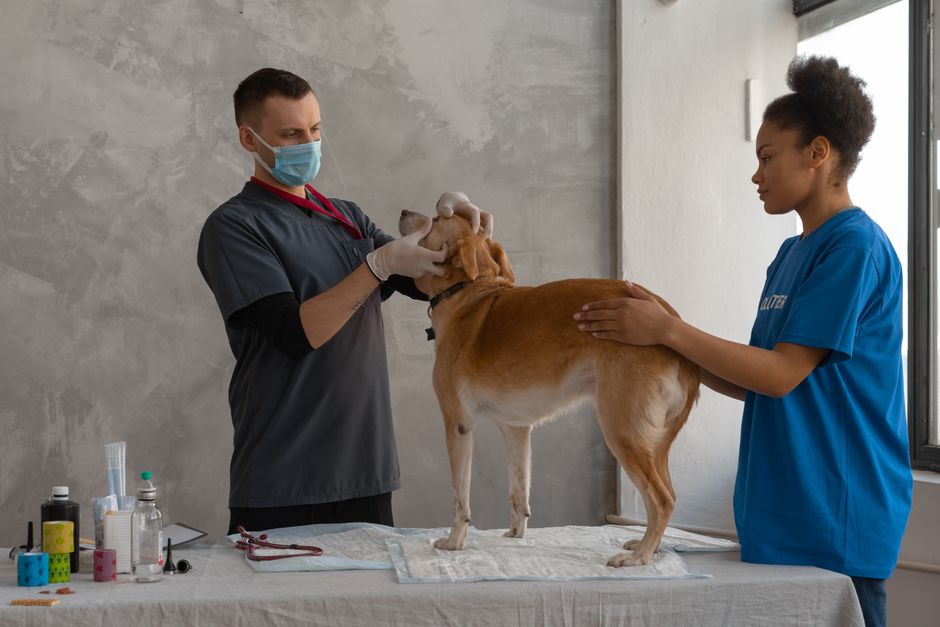
Having a clear understanding of the surgical process can help you feel more comfortable and prepared. At Crescent Street Veterinary Hospital, every procedure begins with a thorough pre-surgical evaluation. This typically includes a physical exam and bloodwork to assess your pet’s overall health and readiness for anesthesia. Our veterinarians will discuss the specific procedure, answer your questions, and review any risks or concerns.
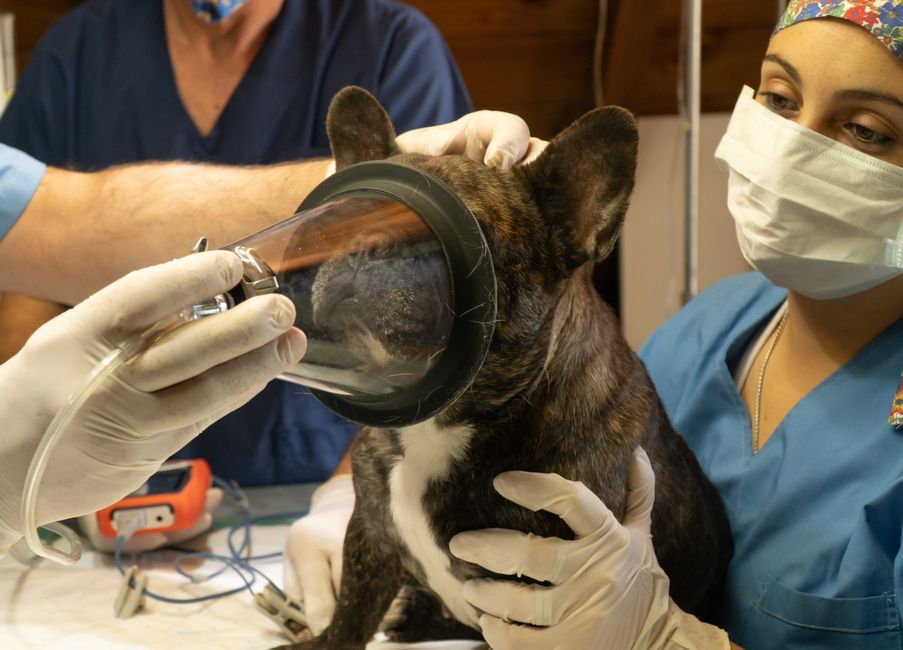
On the day of surgery, your pet will be admitted in the morning. The veterinary team will place an intravenous catheter to administer fluids and medications, and your pet will receive pre-anesthetic medications for relaxation and pain control. We use modern anesthetic protocols and monitor your pet closely throughout the surgery, tracking vital signs such as heart rate, blood pressure, and oxygen levels. Pain management is a priority, both during and after the procedure. Depending on your pet’s needs, we may incorporate K-Laser therapy or acupuncture to support comfort and recovery.
After surgery, your pet will rest in a quiet recovery area under close supervision. We will contact you as soon as your companion is awake and stable, and provide detailed instructions for home care, including medications, activity restrictions, and follow-up appointments. Our team is always available to answer your questions and address any concerns you have during your pet’s recovery.
Supporting Your Pet’s Recovery at Home
Your role in your pet’s post-surgical care is crucial for a smooth recovery. Once your pet is home, it is important to provide a calm, comfortable space for rest and healing. Steps include monitoring the incision site for redness, swelling, or discharge, administering any prescribed medications as directed, and limiting your pet’s activity to prevent injury. Avoid allowing your dog or cat to lick or chew at the surgical site; an e-collar may be necessary to protect stitches.
Encourage your pet to eat and drink, but do not be alarmed if appetite is reduced for the first day or two following anesthesia. Watch for signs of pain such as whining, panting, restlessness, or reluctance to move. If your pet has had a dental procedure, follow the specific feeding instructions provided by our veterinarians, which may include offering softened food or restricting access to hard treats and toys.
Regular updates and follow-up visits allow our team to monitor healing and remove sutures if needed. We may also recommend supportive therapies, such as K-Laser treatment or acupuncture, to enhance comfort and speed recovery. Communication is key; please do not hesitate to reach out if you notice anything unusual or have questions about your pet’s progress.
When to Contact the Veterinarian After Surgery
While most pets recover smoothly from surgery, complications can occur. It is important to know when to seek veterinary help. Contact our team promptly if you notice excessive swelling, bleeding, or discharge from the incision; persistent vomiting or diarrhea; difficulty breathing; refusal to eat or drink for more than 24 hours; or signs of severe pain that do not improve with medication. Sudden changes in behavior, lethargy, or collapse are also reasons for immediate attention.
Our veterinarians are available during regular hours to answer your questions and provide guidance. If your pet experiences a true emergency outside of our office hours, we recommend contacting a local emergency clinic. Remember that prompt attention to postoperative concerns can make a significant difference in your pet’s recovery and well-being.
How We Prioritize Comfort and Safety in Every Pet Surgery
At Crescent Street Veterinary Hospital, your pet’s comfort and safety are always our top priorities. Our veterinary team uses the latest pain management strategies, sterile surgical protocols, and advanced monitoring equipment for every procedure. We believe in a collaborative approach, working closely with you to ensure you are informed and comfortable with every decision regarding your pet’s care.
We also recognize that each pet is unique. Our veterinarians tailor anesthesia, pain management, and recovery plans to your dog or cat’s individual needs. If your companion has special requirements, such as chronic health conditions or anxiety, please let us know so we can make accommodations for their care.
Pet Surgery in Long Island City: Your Local Veterinary Resource
Choosing the right team for pet surgery in Long Island City means working with professionals who genuinely care about your pet’s health and your peace of mind. Our hospital welcomes pets and families from throughout Long Island City and surrounding communities, offering a full range of surgical services from routine spays and neuters to mass removals and dental extractions. We are dedicated to making the process as smooth and stress-free as possible for both you and your companion.
If you are searching for a trusted "vet near me" for pet surgery, look no further than our experienced team at Crescent Street Veterinary Hospital. We encourage you to explore our surgical services page for more information on the procedures we offer, or speak directly with our veterinarians about your pet’s care plan.
Schedule Your Pet’s Surgery or Consultation Today
If your dog or cat needs surgery, or if you have questions about a recommended procedure, we invite you to contact Crescent Street Veterinary Hospital for personalized guidance and support. Our compassionate veterinary professionals are here to help you understand your options, prepare your pet, and provide attentive care throughout the surgical process. To schedule an appointment or discuss your concerns, call us at (000) 000-0000 or visit us at 41-17 Crescent Street, Long Island City, NY 11101. For more details on our surgical capabilities, please see our surgical services and comprehensive physical examination pages.
When it comes to pet surgery in Long Island City, our team is dedicated to your peace of mind and your pet’s well-being. We look forward to being your trusted veterinary resource every step of the way.