Keeping Cats and Dogs Safe From Halloween Hazards

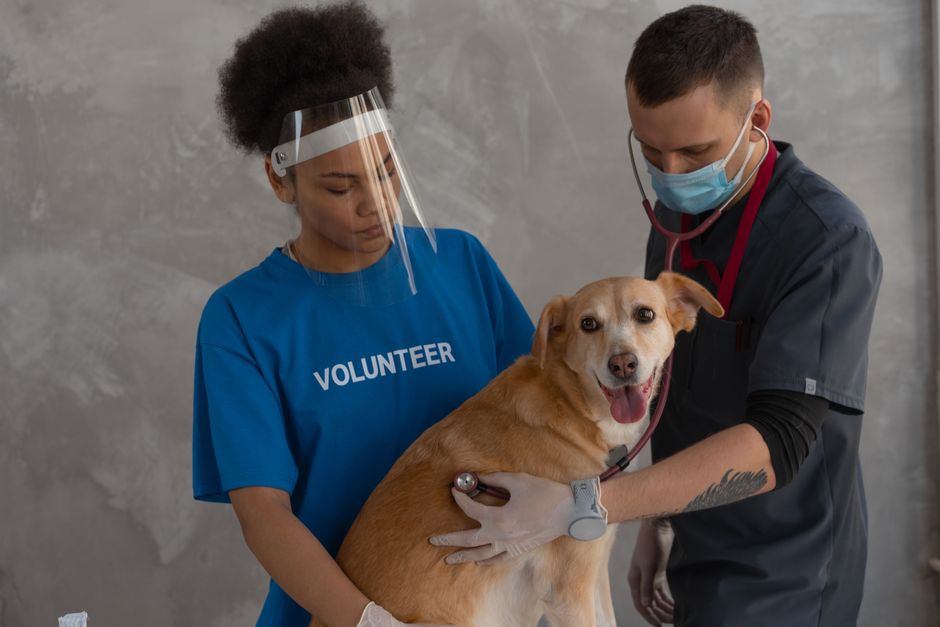
Keeping Cats and Dogs Safe From Halloween Hazards
Halloween is a time filled with excitement, costumes, and treats, but it also brings unique risks for our beloved cats and dogs. As the decorations go up and trick-or-treaters fill the streets of Long Island City, it is important for pet owners to be aware of potential dangers that can turn a fun holiday into an emergency. At Crescent Street Veterinary Hospital, located at 41-17 Crescent Street, Long Island City, NY 11101, our team of veterinarians is here to help you navigate these seasonal hazards. This comprehensive guide explains the common Halloween threats facing cats and dogs, how to spot trouble early, preventive steps you can take at home, and when it is time to schedule an appointment for professional care. Whether you are celebrating with your family, hosting a gathering, or simply enjoying the autumn season, these tips will help you keep your pets happy, healthy, and safe.
Recognizing Halloween Hazards for Cats and Dogs
The excitement of Halloween can quickly become stressful or even dangerous for pets. Some of the most common hazards include chocolate, candy, decorative items, unfamiliar costumes, and loud noises. Cats and dogs may also become anxious with the constant ringing of the doorbell or the presence of unfamiliar people in costumes. Warning signs that your pet may be in distress or trouble during Halloween include vomiting, diarrhea, excessive drooling, restlessness, pacing, panting, or hiding. In addition, if your dog or cat has gotten into candy or decorations, you might notice sudden changes in behavior, such as agitation, hyperactivity, or lethargy. If you see your pet chewing on electric cords, plastic wrappers, or holiday décor, it is important to intervene right away. Sudden gagging, choking, or difficulty breathing are emergencies that require immediate attention. Recognizing these signs early allows you to act quickly and prevent more serious complications.
Why Are Halloween Hazards a Risk for Pets?
Halloween brings a combination of irresistible smells, tastes, and sights that naturally attract curious cats and dogs. Chocolate, one of the most popular Halloween treats, contains theobromine and caffeine, both of which are toxic to pets. Even small amounts can cause serious health problems for dogs and cats. Sugar-free candies often contain xylitol, an artificial sweetener that can cause dangerous drops in blood sugar and liver damage, especially in dogs. Candy wrappers, plastic decorations, and small holiday toys can be tempting for pets to chew or swallow, leading to choking or intestinal blockages. Additionally, pets may be frightened by strange costumes, loud noises, or the bustle of holiday visitors, triggering anxiety or stress-related behaviors. Some animals may try to escape, hide, or display aggressive behavior due to fear. For cats, especially, unfamiliar guests and changes in the home environment can be very unsettling. As your veterinary team in Long Island City, we see an uptick in accidental poisonings, foreign body ingestions, and stress-related issues around Halloween every year. Understanding the root causes behind these dangers helps you anticipate and prevent them.
Professional Veterinary Treatment for Halloween-Related Emergencies
If your pet ingests something toxic or experiences an injury during Halloween, prompt veterinary care is crucial. Treatment approaches depend on the type and amount of substance consumed, as well as the severity of symptoms. If a dog eats chocolate, we may induce vomiting, administer activated charcoal to limit toxin absorption, and provide intravenous fluids or medications to control heart rate and seizures. For xylitol poisoning, rapid treatment to correct low blood sugar and support liver function is essential. If your pet has swallowed a foreign object, diagnostic imaging may be needed to locate the item, and surgery or endoscopic removal could be required if an obstruction is present. Our veterinary surgical services are equipped to handle a variety of urgent surgical procedures for pets in Long Island City and surrounding communities. For anxiety or stress, our veterinarians may recommend calming supplements, pheromone therapies, or prescription medications tailored to your dog or cat’s specific needs. In all cases, the earlier you seek professional help, the better the outcome for your pet.
Preventing Halloween Accidents: Keeping Your Pet Safe at Home
Many Halloween hazards can be avoided with a little planning and awareness. Store all candy and chocolate in sealed containers out of your pet’s reach, and remind family members and guests not to share treats with animals. If you use sugar-free gum or candy, be extra vigilant since xylitol is extremely toxic to dogs. Dispose of wrappers and packaging promptly so they do not become tempting chew toys. When decorating, place candles, electric lights, and cords in areas inaccessible to curious paws and whiskers. For households with cats, keep decorations that dangle or have small pieces away from climbing surfaces. If you plan to dress your dog or cat in a costume, choose one that fits comfortably and does not restrict movement, breathing, or vision. Always supervise your pet while they are in costume and remove it immediately if they seem uncomfortable. Consider creating a quiet, secure space in your home where your pet can retreat during the busiest trick-or-treating hours. Playing calming music or using pheromone diffusers can further reduce stress. Remember that prevention is always preferable to emergency care; a few simple steps can make Halloween safer for everyone.
When to Schedule a Veterinary Appointment
Certain situations require immediate action. If you suspect your pet has ingested chocolate, xylitol, or any unknown substance, call your veterinarian right away, even if your pet seems normal. Symptoms of poisoning can be delayed, and early intervention is critical. Signs that indicate a veterinary visit is necessary include repeated vomiting or diarrhea, difficulty breathing, sudden collapse, tremors, seizures, excessive drooling, or signs of pain. If your dog or cat is choking, pawing at their mouth, or unable to swallow, seek emergency care without delay. For less urgent concerns, such as mild anxiety, minor skin irritation from costumes, or questions about safe treats, our team can provide guidance during a regular physical examination at Crescent Street Veterinary Hospital. If you are ever unsure whether your pet needs to be seen, it is always safer to call and ask for advice. We are here to support pet owners in Long Island City with compassionate, expert care throughout the Halloween season and beyond.
Supporting Pet Wellness All Year Round
At Crescent Street Veterinary Hospital, we believe that prevention and education are the keys to keeping cats and dogs healthy and happy during every season. Our veterinary professionals are dedicated to building lasting relationships with pet owners, offering guidance on everything from seasonal hazards to long-term wellness. If you have questions about Halloween safety, want to schedule a physical exam, or need advice on behavior and nutrition, we invite you to reach out to our caring team. When searching for a veterinarian near me, look for a practice that prioritizes your pet’s wellbeing and supports you as a partner in their healthcare. You can schedule an appointment with our veterinarians by calling (000) 000-0000 or by visiting us at 41-17 Crescent Street, Long Island City, NY 11101. Let us help you make this Halloween safe, fun, and stress-free for your dog or cat. For more information on our services or to book a visit, explore our website or contact our team today.
Please note: This article is for informational purposes only and does not replace professional veterinary care. If your pet is experiencing symptoms of poisoning, injury, or distress, contact your veterinarian immediately.